
A cultural icon. The first fictional cartoon character. And maybe a name you have not heard of.
Doctor Syntax.
I discovered Doctor Syntax pouring over masquerade reports and seeing the name mentioned on several occasions as a standout, comedic costume like this recounting of a masquerade at Almack’s in August, 1820: “Dr Syntax (in search of the picturesque), displayed a considerable portion of native talent; he was very anxious to display his knowledge of men and manners, to those Noble Lords, the Marquisses of Tichfield and Worcester, who were disguised in dominos with black masks” (Star (London) – Friday 04 August 1820)
In my attempt to categorize costumes, I needed to understand the origin of some of these prominent characters, and so dove into the research on Doctor Syntax.
The inspiration for Doctor Syntax was said to be the Reverend Ralph Baron, a skeletal priest Rowlandson once suffered through a dull sermon from in St Brewards Church in Cornall. Rowlandson added in aspects of the travelling cleric and schoolmaster William Gilpin, inspiring the journey of the Doctor. With Rowlandson’s images and Combe’s prose, the first fictional cartoon character was born, creating a rampant public appetite for both the escapism and amusement of Doctor Syntax, that would inspire merch including snuffboxes, plates, carved cane and swordstick handles, and chamberpots. (Dr Syntax: World’s First Cartoon – The Chapter Catcher).

The satirical odyssey is reminiscent of Don Quixote, another popular fictional character during the Regency, with the Doctor on the hunt for the perfect scenery. He suffers mishaps along his journey, depicted in Rowlandson’s art and Combe’s prose. The popularity would result in two additional books, and more merchandise including figurines, prints, and fabric patterns (The Tours of Dr Syntax (1809–1821) — The Public Domain Review)
Even Austen was said to be caught up with the phenomenon of Doctor Syntax, writing to her sister, Cassandra in 1814: “I have seen nobody in London yet with such a long chin as Dr Syntax.”
In 1869, the Athenaeum called it the most popular work of the first decade of the 19th century, feeding numerous imitations, including the Adventures of Doctor Comicus (1815) and The Tour of Doctor Prosody (1821), and inspiring multiple pantomimes throughout London (Erik Gray, Doctor Syntax and the Erotics of the Picturesque, Literary Imagination, Volume 24, Issue 3, November 2022, Pages 232–250, https://doi.org/10.1093/litimag/imac046).
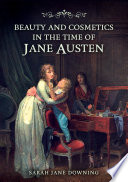
You can read more about Doctor Syntax’s many appearances at masquerade balls during the Regency in my book:

Readers are saying: “fascinating read and it really opened the doors to see what masquerades were really like in the era of Bridgerton and other of my favorite period dramas”
“I would highly recommend this book to anyone interested in the social history of the Regency period, especially those curious about the cultural and performative aspects of elite society. It’s a valuable resource for researchers..”
“This fascinating work of scholarship is a feast for the imagination. The level of detail is incredible; the author definitely did her research!… it is a must-read for anyone who enjoys reading or writing about the Regency era in England.”
Now available in the UK or for pre-order in US
Discover more from Regency Reader
Subscribe to get the latest posts sent to your email.






https://prudhoedrsyntax.godaddysites.com/
There’s a pub called Dr Syntax in Northumberland, named after a racehorse.
Thanks for sharing! Doctor Syntax was, indeed, also a racehorse who won over thirty six races between 1814 and 1823. His owners were no doubt inspired by Rowlandson and Combe’s popular creation.